
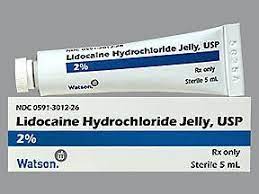
Lidocaine gel 2% jelly is a topical anesthetic medication that contains lidocaine as its active ingredient. Lidocaine belongs to the class of local anesthetics and is commonly used to numb specific areas of the body. Here are some common uses and considerations for the usefulness of lidocaine gel 2% jelly:
- Local Anesthesia: Lidocaine is used to provide local anesthesia, numbing the skin or mucous membranes to reduce pain or discomfort during medical procedures.
- Topical Application: Lidocaine gel 2% is typically applied topically to the skin or mucous membranes. It is commonly used in various medical settings, such as dermatology, dentistry, and minor surgical procedures.
- Dental Procedures: Lidocaine gel is often used in dentistry to numb the gums and oral tissues before procedures like dental cleanings, scaling, or minor dental work.
- Minor Surgical Procedures: It may be used before minor surgical procedures, such as the removal of skin lesions or the insertion of small medical instruments.
- Relief of Discomfort: Lidocaine gel can be applied to the skin to provide relief from discomfort associated with conditions like sunburn, insect bites, or minor burns.
- Medical Imaging: In some cases, lidocaine gel may be used to reduce discomfort during certain medical imaging procedures, such as the insertion of a catheter.
- Genital Procedures: Lidocaine gel is sometimes used in gynecological or urological procedures to numb the genital area and minimize pain.
It’s important to note the following considerations:
- Prescription vs. Over-the-Counter: Lidocaine gel 2% may be available both as a prescription and over-the-counter product. The prescription strength is typically used for medical procedures, while lower concentrations may be available without a prescription for minor skin issues.
- Application Guidelines: Always follow the application guidelines provided by a healthcare professional or as specified on the product label. Proper application ensures effective and safe use.
- Individual Sensitivity: Individuals may have varying sensitivities to lidocaine. It’s important to inform healthcare providers about any allergies or sensitivities before using the gel.
- Potential Side Effects: While lidocaine is generally well-tolerated, some individuals may experience side effects such as redness, itching, or swelling at the application site. Serious allergic reactions are rare but possible.
If you are considering the use of lidocaine gel 2% jelly, it is crucial to consult with a healthcare professional, follow their guidance, and use the product as directed for your specific medical needs.


Reviews
There are no reviews yet.