
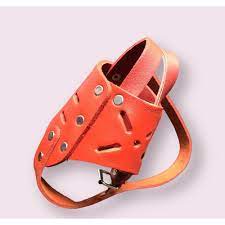
A “leather mouth guard” doesn’t seem to be a standard or widely recognized term in the context of protective sports equipment or dental devices. Mouth guards, in general, are typically made from materials such as thermoplastic, rubber, silicone, or a combination of these materials. These materials are chosen for their flexibility, shock absorption, and comfort.
However, if you’re referring to a mouth guard that has some components or coverings made of leather, it’s important to note that leather may not be a suitable material for the primary construction of a mouth guard. Here’s why:
- Safety and Compliance: Mouth guards are primarily designed to protect teeth, gums, and the jaw during sports or physical activities. Materials used for mouth guards need to comply with safety standards and regulations to ensure effectiveness and prevent injury. Leather may not offer the necessary shock absorption and protective properties required for this purpose.
- Comfort and Hygiene: Leather is not as flexible or comfortable as the materials commonly used in mouth guards. Effective mouth guards need to be molded to fit an individual’s teeth and jaw properly. Leather may not provide the necessary comfort and adaptability, and it can also pose hygiene concerns as it may be more challenging to clean and maintain.
- Durability: Mouth guards are subject to significant stress during use, especially in contact sports. Materials like thermoplastic are chosen for their durability and ability to withstand impact. Leather may not have the necessary durability to endure the forces involved in sports activities.
If you are looking for a mouth guard for sports or dental protection, it is recommended to choose one made from materials specifically designed for these purposes. Consult with a dentist or sports equipment professional to ensure that the mouth guard you select is appropriate for your needs, fits properly, and meets safety standards.



Reviews
There are no reviews yet.